
Aromatherapy, Stress Management, & Lupus
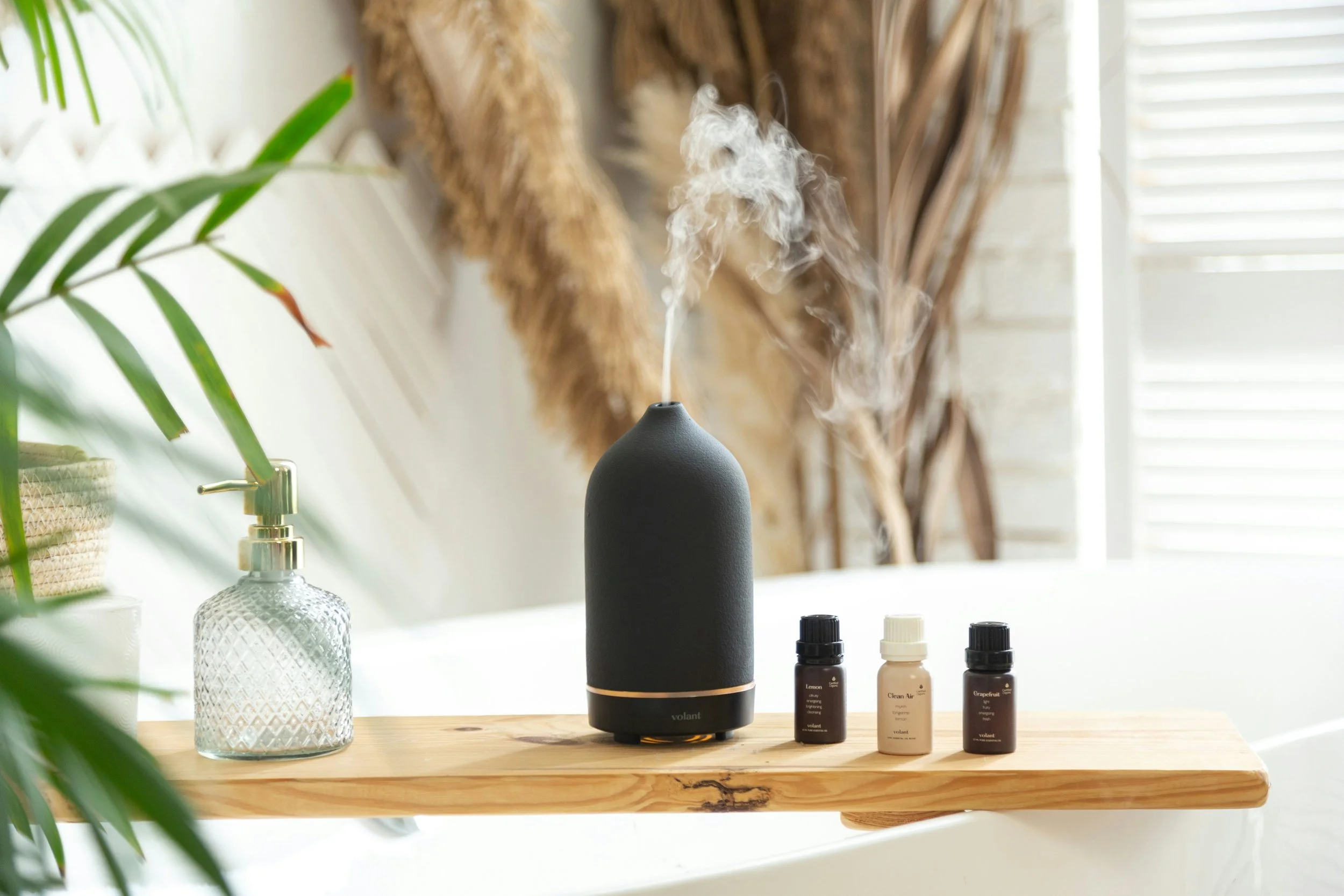
More than just cold weather -- the winter can be a stressful time. Aromatherapy may be a low-risk, stress management strategy for Lupus Warriors.
By now, you're probably heard it dozens of time: stress and lupus do not mix. But, with the challenges of life and lupus, stress can be nearly impossible to avoid.Research has found that major life stressors were predictive in reduced functional ability in women with lupus. And, additional studies exploring daily life stressors have found similar effect.To learn more about the research connecting stress and lupus, click hereOne potential stress management tactic: aromatherapy.
What is aromatherapy?
Aromatherapy is a complementary and alternative medicine classified by the National Institute of Health (NIH) as an "alternative medical system." It also goes by the name: essential oil therapy.The name 'aromatherapie' was coined by French chemist and perfume-developer Rene-Maurice Gattefosse in 1937. This name was used to differentiate the medical uses of essential oils from those used for perfume.As defined by the National Association for Holistic Aromatherapy, aromatherapy is the "art and science of utilizing naturally extracted aromatic essences from plants to balance, harmonize and promote the health of body, mind and spirit."The research into the effectiveness of aromatherapy is not particularly robust. A study highlighted by the NIH found limited benefit when exploring lavender and lemon scents -- though there were reductions of stress hormones when using aromatherapy following stressors. Other studies have found mixed results on a number of symptoms including nausea-, pain-, stress-, and anxiety-relief.In general, the research offers some promise. But, it is relatively inconclusive.
Is aromatherapy safe?
Essential oils are generally considered safe and do not need to be approved by the FDA. (For more regulatory information, see the FDA explanation of aromatherapy here.)However, depending on the application method used, there can be unintended side effects. People with many allergies or anaphylaxis may want to avoid essential oils or a consult their lupus treatment team before trying any aromatherapy options.The National Association of Holistic Aromatherapy provides additional insights into essential oils to avoid for pregnant women and essential oils that are more likely to be skin irritants.
The most popular essential oils
From Aromatherapy.com, here are some of the most popular essential oils and their potential therapeutic benefits:
Chamomile
Use: soothing characteristics; calming
Bergamot
Use: stress reduction; depression, anxiety
NOTE: known to cause skin issues and can have negative impacts when combined with UV/sunlight
Cedarwood
Use: stress reduction
Marjoram
Use: fights fatigue and depression; stress reduction
Peppermint
Use: enhances mood; sharpens focus
Rosemary
Use: mental stimulation; enhanced memory and focus
Tea Tree
Use: immune booster; fighting infection
Methods of using aromatherapy
Different essential oils can be applied in various ways. Always be sure to use them appropriately based on the product that you are using. If you have questions, be sure to consult a clinician.For additional application instructions and insights, learn more hereMethods of application include:
Massage/body oil
Lotions and creams
Baths
Steam inhalation
Diffusers and spritzers