
Autoimmune Protocol Diet (AIP) for Lupus
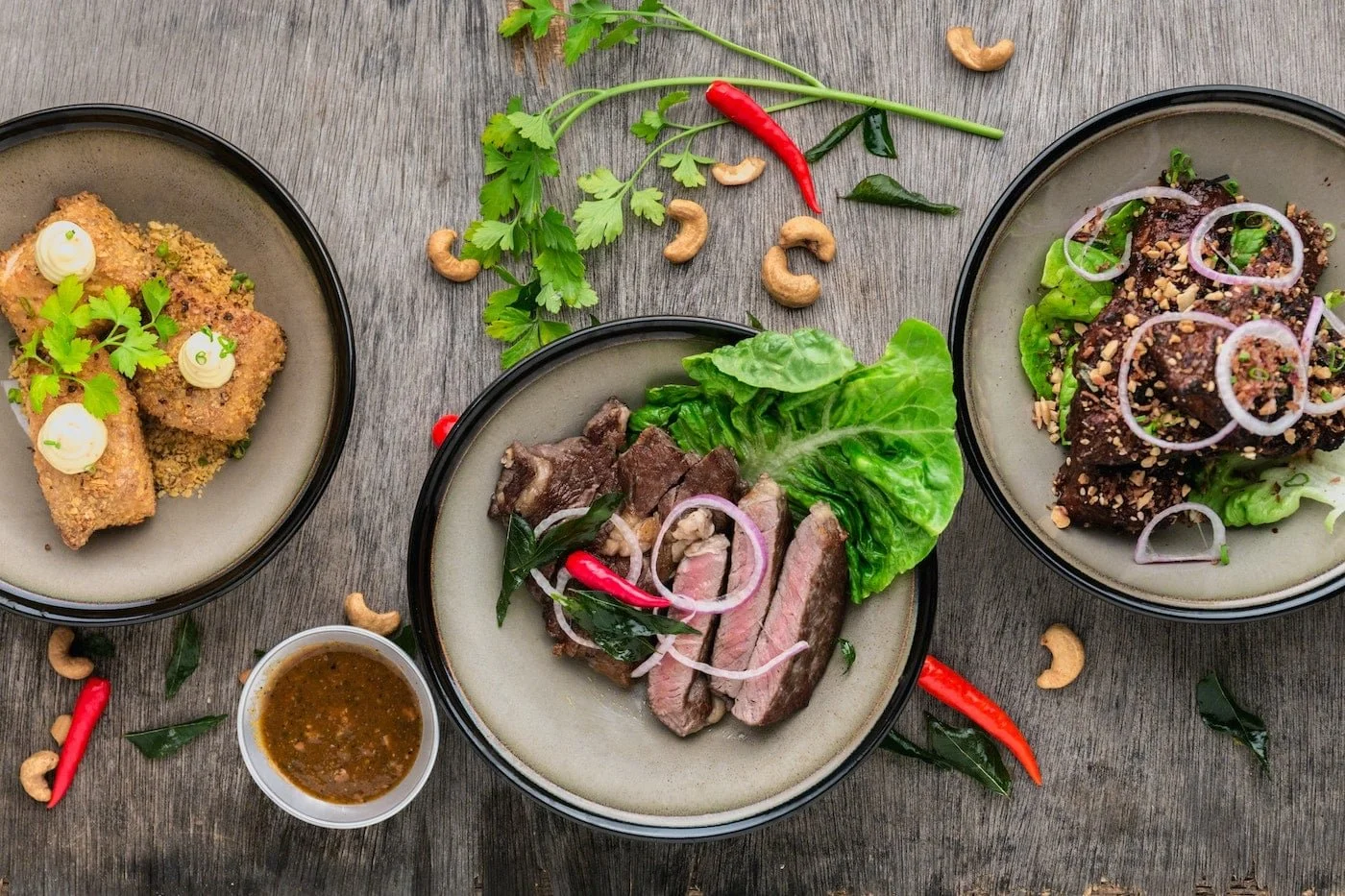
The foods we eat impact how our bodies (and autoimmune systems) function. The Autoimmune Protocol Diet (AIP) may help reduce lupus inflammation & flares. But, research is still limited.
These days, it seems like eating well is more complicated than ever. You have to buy the right foods, prepare them in special ways, and still want to eat them once you're done. All of which take energy and time that you might not have. Still, changes in diet can have real health benefits.The autoimmune protocol diet, or “AIP diet,” is a diet that excludes:
all sugars
processed foods
many grains
most legumes
dairy products
seed oils
AIP also restricts several other foods that are high in cholesterol or that have a link to inflammation, including:
Eggs (high in cholesterol)
Nuts and seeds (including coffee, chocolate, coriander, and cumin.)
Nightshade vegetables (which includes tomatoes, eggplants, and white potato)
Chewing gum
Alternative sweeteners (such as Splenda)
Thickeners (other than arrowroot)
Instead, autoimmune protocol diet meals consist of:
fresh vegetables
meats
non-processed foods
coconut oil
olive oil
sweet potato
non-dairy fermented foods
pickles
kimchi
kombucha
miso
vinegars (without added sugar)
small amounts of unprocessed sugars
honey
maple syrup
most herbs and spices
gelatin
seaweed
nori
kelp
dulse
Fruit is limited due to the high sugar content. A little red wine is alright (it has several antioxidants,) but most alcohol should also be avoided.
Diet & the Digestive Tract
This diet is highly restrictive. However, it helps to manage weight and food-based inflammation triggers. The idea is that diet has a lot to do with autoimmune disease. A condition colloquially known as “Leaky Gut” may be partially responsible.In Leaky Gut (intestinal permeability) irritation in the gut causes the seals between cells to be weakened. This allows partially digested food particles, toxins, pieces of bacteria, and viruses into the bloodstream. The immune system becomes riled up attacking these “invaders." It puts the body on high alert, increasing inflammation throughout the body. In autoimmune diseases such as Systemic Lupus Erythematosus (SLE), the immune system attacks the body’s own cells.Switching to a restrictive, low-inflammation diet can help give your body a break and heal some of the damage. Over time, other foods can be slowly reintroduced into the diet, depending on whether they cause flares or not.
What are Nightshades?
Nightshades are a family of plants that include tomatoes, potatoes, eggplant, bell peppers, chili peppers, and other pepper-based ingredients such as cayenne and paprika. Plants contain chemicals called alkaloids that can affect the body. These alkaloids are the reason why herbal medicine can actually cause medicine-like effects in the body; however, certain alkaloids can encourage inflammation. Nightshade alkaloids are known to cause inflammation. Many people with lupus and other autoimmune disease feel that cutting nightshades from their diet helps their symptoms.
Measuring the impact of diet
Though it varies from person to person, the connection between lupus and diet is well-known. Studies have shown that modifying something as "simple" as diet can improve the symptoms of lupus. Calorie-restricted diets, for example, are known to help people with lupus maintain their weight and control their symptoms. You can read more about weight issues and lupus here.Gluten, found in many grains such as wheat and rye, can cause inflammation in some people, especially people with celiac disease. Sugar is a known issue for people with lupus, too, since it can be linked to problems with weight, memory, cognition, and heart disease. In contrast, Omega-3 fatty acids are an essential diet-gained nutrient that improves brain, skin, and hair health – as well as heart and joint health. It may also calm down inflammation in the body.People with lupus should make sure to also eat foods rich in calcium and vitamins. Meat can be a little contentious, as people with lupus have stressed bodies that need more protein to recover, but high protein foods can put pressure on already-damaged kidneys (as in lupus nephritis). Vitamin B12 is a very good reason to add red meat into your diet, and fish (such as salmon, tuna, mackerel, and sardines,) is a good way to get both.
So Does AIP Work?
There is limited research into the effectiveness of the AIP diet as a way of combatting autoimmune diseases or more generally. A 2017 study found benefits of the diet for people with inflammatory bowel disease (IBD) including reduced symptoms and inflammation. However, only 15 people participated in the study and the researchers concluded that "randomized controlled trials are warranted."Research published in 2019 explored the AIP diet's value to people with Hashimoto's thyroiditis, an autoimmune disease affecting the thyroid gland. The diet accompanied by a lifestyle program significantly improved patient's quality of life (SF-36) and clinical symptoms (MSQ). However, there were no significant benefits to thyroid function or antibodies. Also, the study only included 16 participants.
The Autoimmune Protocol Diet & Lupus
While full studies are yet to be conducted, the individual pieces of the diet may make sense for people with lupus. The AIP diet requires eating foods that are known to be valuable to Lupus Warriors. AIP meals:
Are high in raw and cooked whole vegetables
Exclude garlic, a potential contributor to lupus flares
Include lots of fiber, a food component that benefits both gut health and inflammation health
Permit turmeric, a spice that may have health benefits for people with lupus
Restrict alcohol consumption, a known risk-increaser
Tips for Sticking to the Autoimmune Protocol Diet
AIP is very restrictive and lupus can come with either lowered appetite or a huge craving for carbohydrates. This can make it difficult to feel satisfied. However, you should know that you have options for delicious food that will both nourish and satisfy you. Nom Nom Paleo is a blog with many recipes for people on Paleo diets, which are easily modified for an AIP diet. Her podcast can be found here. Autoimmune Wellness is a website that specializes in the AIP diet. Their podcast can be found here.AIP can also seem more expensive – after all, processed foods are typically cheaper and whole vegetables require preparation work. The truth is, whole vegetables, bought in bulk, can be cheaper overall. And, if the diet works for you, it can save you money in the long run. But AIP-compliant meals don't have to break the bank. Find 31 recipes that you can make for under $5 on here.
Other AIP Recipes
If you just look at the restrictions in the AIP diet, it can look scary. It can also look like it requires a lot of preparation and cooking work. You might feel that you don't have the energy for it. But, many meals can be prepared in bulk ahead of time when you have the ‘spoons,’ energy, and time.Bone broth is a good example of this. It is made from bones, aromatics such as onions (but not garlic in this case) and vegetables that have been cooked for a long time. It is very nutritious, easy to eat, and it provides a source of both joint-repairing collagen and water. You can make bone broth in a pressure cooker, instant pot, or a stock pot. It can be stored in the fridge for weeks and in the freezer for months.You can also make soups this way, and many other easy to eat, tasty, nutritious meals in slow cookers that will last you for days. Other cheap, delicious, easy to make, and filling dishes include this chili dish. It can be made without tomato, a nightshade. Beets can be substituted for color, and summer squash can be added in for extra flavor and vitamins. Roasted vegetables are also an easy, tasty, portable meal that also keeps well. A lot of vegetables can be roasted, including sweet vegetables like parsnips and sweet potato. You can make it in advance, too – which can help make the prep worth it.You can find many other recipes (wheat-free almond bread, pot roasts, and more) online. If there is a particular taste that you are looking for, or level of prep work, you can find it. Bottom line, sticking to the AIP diet may be challenging, but worth it.Have experience with the diet or favorite recipes? Be sure to leave a comment below 😊