
Coronavirus and Lupus | Things to Know
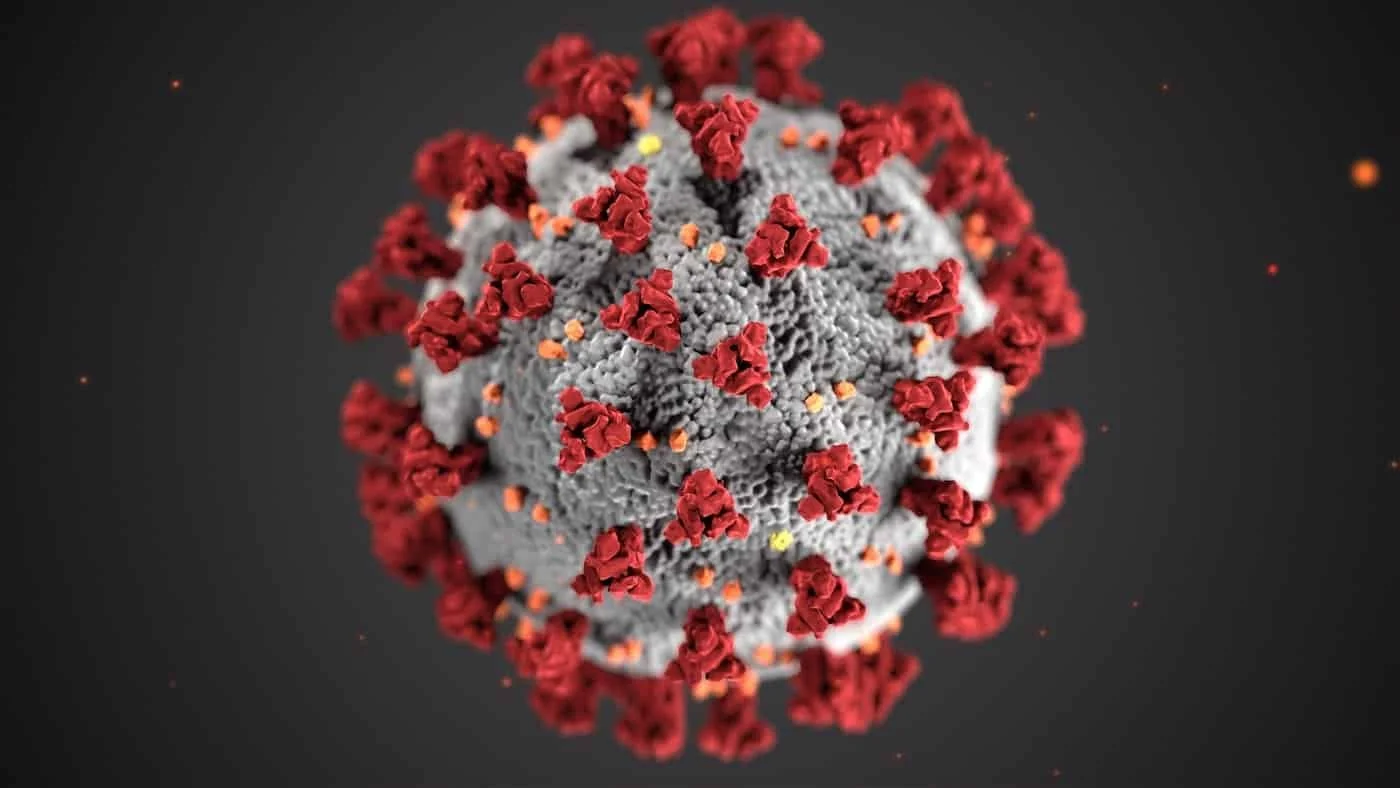
Coronavirus, also known as COVID-19, is a respiratory disease related to the common cold. Although most healthy people do not need to worry about the disease, people with lupus should be careful.
This disease has been in the news lately, and COVID-19 (short for Coronavirus disease 2019) may well be on your mind. You are not wrong for worrying. Lupus Warriors are more susceptible to getting all diseases, and are very likely to have more severe symptoms. However, the news and social media are spreading a lot of misinformation and panic.
Here is what you need to know to protect yourself during this epidemic, based on what we know as of March 2020. If anything changes, we will keep an eye out for you, but you should keep track of it on reputable sites:
What is Coronavirus?
Viruses are like little machines that hack the machinery of the cell and use it for their own advantage. COVID-19 is a virus in the coronavirus family, the same family as the common cold and to SARS (severe acute respiratory syndrome.) It has similar symptoms to the flu (influenza). However, it is not related to the flu. Tamiflu is not known to be effective. Currently, there is no vaccine for COVID-19. Although one is presently in the works as of March 2020, it may take over a year to be approved for use.
Infection rates
The immune system is good at attacking invaders that it is familiar with. But, unknown invaders provide a challenge.
COVID-19 is described as a ‘novel’ coronavirus. It is a new form of the virus. The outer shell that it developed as it passed through multiple different animal hosts is now different. The antigens (the parts that the immune system recognizes and targets for attack) have changed. This means that our immune system does not recognize COVID-19 yet or have a strategy to combat it.
How does it get passed along?
Coronavirus is highly contagious. It passes from person to person in droplets of mucous and saliva that are formed when someone coughs or sneezes. These droplets can also be passed through normal breathing.
However, this is different from being an airborne virus. Droplets generally don’t travel too far from the body, usually about 6 feet. They can ‘stick’ onto surfaces and can be transferred from the surface to the hands to the mucous membranes in the eyes, nose, and mouth.
Additionally, there is some thought that it might be transmitted through the “fecal-oral” route (from feces-contaminated hands to the mouth). But this is not yet confirmed (as of March 2020) .
Because this is a ‘novel’ virus, the body has a slightly harder time fighting it off, and people with autoimmune disease are especially vulnerable.
What are the Symptoms?
Coronavirus presents symptoms much like the flu, including:
Fever, can be low grade or high grade
A cough
Specifically a deep-lung cough known as a “Dry Cough.” This is different from a cough caused by post-nasal drip and usually more intense.
Shortness of breath
Headache
Diarrhea
It is very difficult to tell if an infection is influenza or coronavirus, but healthcare providers are more aware of the epidemic. Typically, COVID-19 will be diagnosed by using imaging technology (radiography or CT scans) to look for abnormalities in the lungs. Hospitals will also test potentially infected people using Real-time reverse transcription PCR. This process that looks at the RNA blueprints and checks them against the known blueprint of COVID-19.
Most cases (80%) will be very mild in otherwise healthy people. Also, children are very resistant to the disease. The exact mortality rates are not yet known, and vary depending on the population. As of March 2020, the range was 0.6% mortality to as high as 6.1% mortality. The data is still coming in, and it is thought that the mortality rates for COVID-19 are much lower, because many mild cases were not reported.
Why are People with Lupus at Higher Risk?
People with Systemic Lupus Erythematosus (SLE) and other autoimmune diseases are very vulnerable to infections. This is because their immune system is already misbehaving and ‘distracted,’ using its resources to fight their body instead of invading pathogens such as bacteria and viruses.
In particular, lupus can cause inflammation and damage in the lungs, which is the main area that coronavirus affects. It also interferes with sleep and can make absorption of oxygen more difficult. This weakens the whole body can cause further damage to your organs. Accrued damage makes Lupus Warriors less healthy overall. And, puts them at higher risk of more severe symptoms as the illness damages them further.
In addition, many lupus medications suppress the immune system to prevent the autoimmune response. This, unfortunately, shuts down the immune system altogether, which makes it easier for diseases to take root in the body.
All of these aspects of lupus conspire to make people with lupus especially vulnerable to upper respiratory tract infections like coronaviruses. They are also more likely to be sick for longer periods of time, to have more severe symptoms, and potentially require hospitalization.
Increased risk for Lupus Warriors
People with lupus are generally more vulnerable to infections. Plus, they are more likely to end up with severe symptoms due to both a suppressed immune system and lower overall health. Since this is a highly contagious disease, catching it is a concern.
For younger people with no dysregulation of the immune system, the disease is usually mild. Sometimes not even noticed or diagnosed, and it passes on its own. Still, everyone should be careful because health resources are limited. Since the coronavirus epidemic is also coming along with cold and flu season, more beds and equipment will be needed to take care of patients. People with lupus are more likely to need additional treatment and hospital-based care. So, those needing services may face these shortages firsthand.
This will also mean that doctors and nurses are stressed and overburdened. Taken together, these things can have a negative impact on care. And, hospital will have higher-than-normal concentration of sick and contagious people.
Treating COVID-19
Most cases of COVID-19 are mild and require rest, nutrition, and very basic care. However, people with lupus are at risk for more severe symptoms. High fevers, lung failure, and problems in other organs will require hospitalization.
At the hospital, treatment may include:
IVs to maintain hydration and nutrition
ventilators to keep the lungs working properly
Remdesivir is a new antiviral drug originally designed to combat Ebola and Marburg virus by preventing them from replicating in the cell. If they can’t replicate, then they can’t continue to cause the infection. Remdesivir has the potential to attack other single stranded RNA viruses, including Coronaviruses like COVID-19 and SARS. It is currently under trial to make sure that it does work, without causing harm. So far it is very promising.
Until Remdesivir is approved, treatments will be focused on maintenance and helping you battle symptoms.
Avoiding the COVID-19 outbreak
The biggest advice that experts around the world are giving is “wash your hands.”
The second biggest piece of advice is to get the flu shot. And, make sure that your family does too. While the flu shot will not protect you from coronaviruses, it will protect you from also having the flu. It is safe for Lupus Warriors to get the flu shot and it is usually covered by insurance. Since people with lupus are also vulnerable to the flu, and since being sick increases your risk of more severe symptoms, it is a good idea to protect yourself. Protecting your family also protects you, since if they don’t catch the flu, they cannot spread it to you. You can read more about lupus and the flu here.
Healthy children will usually have mild symptoms of COVID-19, but will spread the virus for longer. People with lupus who spend time around children (or children with lupus who are going to school) should be careful about close contact and use usual anti-flu measures.
Coronavirus does not have a vaccine yet, but it spreads a lot like the flu and you can protect yourself in other ways.
Preventative measures
Wash your hands properly and frequently. Use soap and water and rinse for 20 seconds at a minimum.
Keep your hands away from your eyes, nose, and mouth.
Remain 6 feet from someone who may be sick and cut down close contact (handshakes, hugs, kisses). This will reduce spread.
Keep surfaces clean, either with soap and water or with an antibacterial that is EPA certified, specifically, that it works on coronaviruses.
Coronavirus does not mutate and change its ‘coat’ (the part of it that the body recognizes) as often as flu. In fact, the virus actually has a way to stop itself from mutating.
It is also very likely that, like the flu and the common cold (also a coronavirus) cases will go down as the flu season (winter and early spring) ends. The flu season can start in October and run through May, but generally the worst months are January or February. A lot of respiratory viruses follow this path. SARS, a related virus, also slowed at these times.
What about Going Outside?
Avoiding large gatherings is a good idea. Viruses spread easily between people bunched up close together. Hospitals are also areas where there may be several cases of coronavirus (and flu) all in one place. So it might not be a bad idea to stockpile medications or talk to your lupus treatment team about limiting time spent in a hospital setting.
These strategies are known as "social distancing" and can help keep people healthy while stemming the transmission of coronavirus. Nervous about going to the gym, dating, or the grocery store? Experts share insights on social distancing.
Going outside should not be an issue, however. You should definitely keep up your exercise regimen. Surprisingly, airplanes are relatively safe. The air circulation systems have hefty filters that can trap even viruses. But, COVID-19 can spread to other people in the same row easily, so they are not totally safe.
News Updates
Added on Wednesday, March 25: In guidance published on Friday, the U.S. Society of Critical Care Medicine said “there is insufficient evidence to issue a recommendation on the use of chloroquine or hydroxychloroquine in critically ill adults with COVID-19.”
Keep Yourself Up to Date!
Make sure you get your news from reliable sources, including your own clinicians.
Looking to simplify your news stream? Minimize the chaos and get your information right at the sources:
The CDC (Center for Disease Control in the US) has regular and frequent updates, including a daily press conference and information on how to prepare
The WHO (World Health Organization) has information that they update regularly
Alternatively, a podcast called This Week in Virology (TWiV) covers the epidemic. And has since the beginning. The podcasts are long and unscripted, and take the form of an educated conversation between scientists. It is very accessible, even for non-scientists.